Understanding the Temu Consumer Protection Lawsuit
The Temu consumer protection lawsuit has attracted global attention due to the platform’s rapid growth and controversial business practices. As one of the fastest-rising online shopping apps, Temu has gained millions of users by offering low-cost products, global shipping, and enticing promotional campaigns. However, alongside its success, questions have surfaced about how the platform handles consumer rights, data privacy, and product authenticity.
The lawsuit highlights concerns from consumers and regulatory bodies regarding the protection of user data and fair trade compliance. For a platform that operates globally, consumer protection laws can vary significantly between countries, creating challenges for compliance and accountability. The Temu consumer protection lawsuit aims to address whether the company’s practices align with these legal standards and ethical expectations.

Understanding the Temu Consumer Protection Lawsuit
What Triggered the Temu Consumer Protection Lawsuit
Temu’s business model focuses on connecting global manufacturers, primarily from Asia, directly to consumers. This structure allows for extremely low prices but raises concerns about oversight and quality control. Many consumers have reported receiving products that differ from descriptions, delays in refunds, or uncertainty about where their personal data is stored and processed.
Regulators began to investigate whether these practices violated consumer protection laws, especially regarding misleading marketing and data transparency. As a result, the Temu consumer protection lawsuit emerged, focusing on several key issues:
Data Privacy and User Consent
One of the core claims in the lawsuit involves user data collection. Critics allege that Temu’s mobile app gathers extensive personal data that exceeds what is necessary for shopping functions. Questions have been raised about how this data is stored, whether it is shared with third parties, and if users are adequately informed about its use.
The Temu consumer protection lawsuit seeks to determine if the app complies with privacy laws such as the General Data Protection Regulation (GDPR) in Europe and other regional consumer data regulations.
False Advertising and Product Misrepresentation
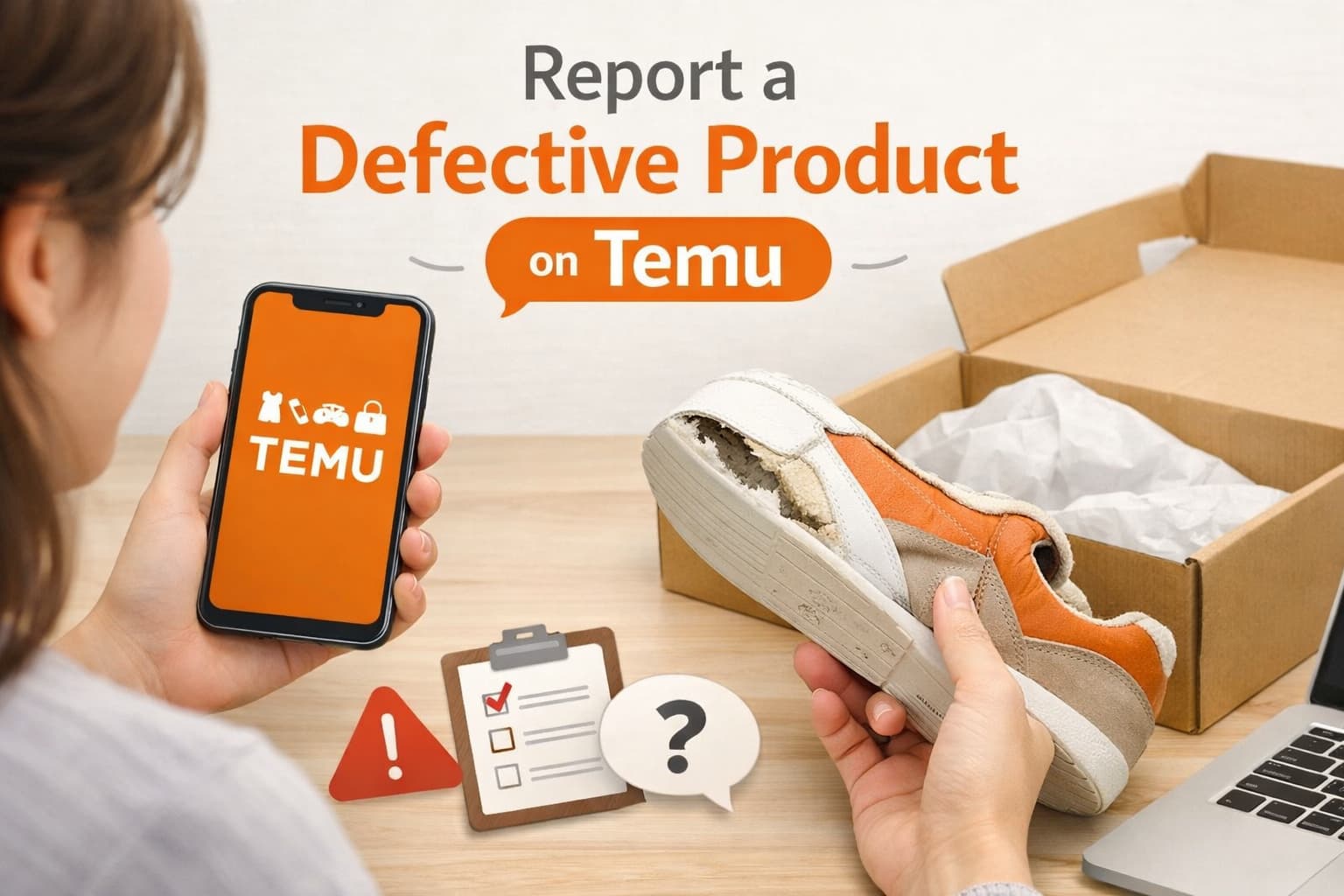
Another major concern revolves around the accuracy of product listings. Because Temu hosts products from multiple third-party sellers, the level of quality and authenticity can vary widely. Some consumers claim they received counterfeit or defective goods despite descriptions promising otherwise. This component of the Temu consumer protection lawsuit examines whether Temu is responsible for ensuring that all listed products meet basic standards of truth in advertising and consumer fairness.
How Temu Has Responded
Temu has denied any wrongdoing, emphasizing its commitment to user satisfaction and compliance with consumer laws in all markets where it operates. The company claims to have implemented robust refund policies, data encryption, and seller verification systems to maintain trust.
In public statements, Temu has clarified that the Temu consumer protection lawsuit does not represent the company’s overall practices but focuses on isolated complaints that are being addressed. The platform has also announced improvements in refund handling, better tracking transparency, and clearer communication about data usage to ensure compliance with global standards.

How Temu Has Responded
The Legal and Ethical Implications
The Temu consumer protection lawsuit is not just a legal issue; it reflects broader debates about consumer protection in the digital age. As online marketplaces expand across borders, enforcement becomes increasingly complex. Laws designed for domestic businesses often fail to cover the operations of multinational e-commerce platforms.
The Role of Global Regulation
Countries have begun strengthening their frameworks for digital consumer rights. For example, the European Union’s Digital Services Act (DSA) and the U.S. Federal Trade Commission (FTC) guidelines both emphasize transparency, accountability, and fair competition. If the Temu consumer protection lawsuit results in findings of misconduct, it could set a precedent for how international e-commerce companies are monitored and regulated.
Ethical Responsibility in E-commerce
Beyond the law, ethical responsibility plays a key role. Online retailers are expected to ensure that their marketing and operations are fair to consumers. Transparency in pricing, clarity in product descriptions, and protection of personal data are now essential for brand reputation. If Temu strengthens its ethical standards as a result of this lawsuit, it could reinforce consumer confidence and create a model for responsible digital commerce.
What Consumers Should Know
As the Temu consumer protection lawsuit continues, consumers are encouraged to stay informed and cautious. Here are several practical points to consider when using Temu or similar platforms:
Check Seller Ratings and Reviews
Before purchasing, review the feedback from previous buyers. Authentic user reviews often reveal whether a product matches its description and whether the seller fulfills orders reliably.
Understand Return and Refund Policies
Temu provides a refund policy for defective or misrepresented products. However, users should read the terms carefully to understand the timeframe for claims and the procedures required.
Protect Personal Data
Consumers should be aware of what permissions they grant when installing the Temu app. Disabling unnecessary access to contacts, files, or location data can help enhance privacy protection. By taking these steps, consumers can protect themselves while the Temu consumer protection lawsuit unfolds.
The Future of Temu After the Lawsuit
The outcome of the Temu consumer protection lawsuit could significantly shape the platform’s future. If courts determine that Temu violated consumer protection laws, the company might face fines, mandatory operational changes, or even temporary restrictions in certain markets.
However, Temu also has an opportunity to turn this challenge into a transformation. By adopting stricter seller verification processes, clearer product labeling, and transparent data practices, the company could rebuild public trust. Many experts believe that if Temu commits to these changes, it can evolve into a more sustainable and ethical platform, setting new standards for global online marketplaces.
Rebuilding Trust Through Transparency
To strengthen its reputation, Temu must demonstrate transparency in how it manages both sellers and consumers. This includes publishing regular reports on compliance, improving customer service channels, and providing detailed explanations of how user data is handled.
Transparency not only fulfills legal obligations but also fosters consumer loyalty, which is essential for long-term success. The Temu consumer protection lawsuit has already reminded users and companies alike that consumer trust is a non-negotiable foundation of online business.

The Future of Temu After the Lawsuit
Lessons for the E-commerce Industry
The Temu consumer protection lawsuit serves as a wake-up call for the entire e-commerce sector. It illustrates the risks of rapid expansion without sufficient regulatory adaptation. Many startups focus heavily on growth metrics while overlooking compliance and ethical responsibility.
Future online platforms can learn from this case by prioritizing clear communication with users, enforcing strict product verification, and implementing privacy-first data policies. The lawsuit underscores the importance of aligning innovation with integrity — a balance that ensures digital progress benefits both businesses and consumers.
The Temu consumer protection lawsuit reflects the growing pains of a digital marketplace that has expanded faster than the regulatory systems designed to oversee it. While the case continues to unfold, it highlights critical issues such as data privacy, truthful advertising, and ethical responsibility in online commerce. For Temu, this lawsuit is both a challenge and an opportunity — a test of its commitment to consumer protection and a chance to redefine its image in the eyes of the global public. As users become more aware and demanding of transparency, platforms like Temu must evolve to meet higher standards of fairness, safety, and trust.